
News: Google's Virtual Try-ons, Walmart's AI shopper, Retailers turn to AI to cut costs

Google Launches AI Shopping, Allows Virtual Try-Ons
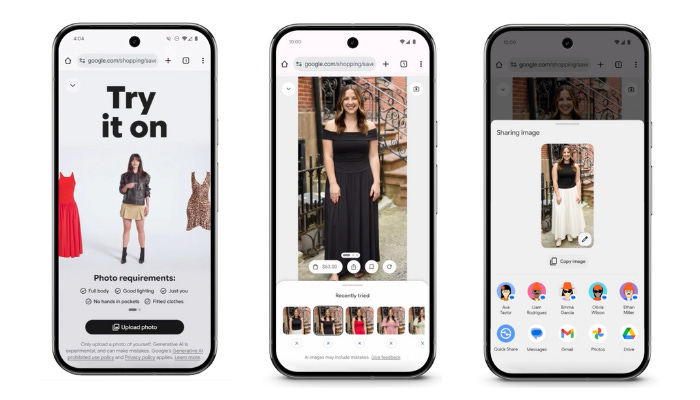
At Google I/O 2025, Google revealed a suite of AI-powered shopping tools designed to make online retail more immersive and personalized. Shoppers can now virtually “try on” apparel using their phone’s camera, track price changes with an AI agent that alerts them when items hit a target price, and explore a revamped Search experience that blends Gemini’s conversational AI with Google’s Shopping Graph—covering over 50 billion products. These features aim to cut browsing time and boost purchase confidence by letting buyers see how items look and fit before checking out. Roll-out begins this summer across the U.S. and will expand globally by year’s end.
Source: Google Blog
Walmart Prepares for a Future Where AI Shops for Consumers

Walmart is gearing up for a shift in consumer behavior by treating autonomous AI agents not just as back-end helpers but as direct shoppers. According to The Wall Street Journal, the retailer is training proprietary large-language models on its product catalog, pricing data and customer-behavior patterns so that future AI agents can place orders on behalf of users. The move reflects Walmart’s bet that consumers will soon delegate routine purchases—think household staples or reorders—to AI, freeing shoppers to focus on higher-value decisions. Early tests focus on subscription-style items, with broader agentic shopping pilots rolling out later this year.
At some point in the future, shoppers will deploy an agent, like OpenAI’s Operator, and tell it they want to restock on groceries or buy a new flat-screen TV. Operator will then scan the internet and surface relevant products based on what it knows about the user’s preferences. Ultimately, agents will even be able to complete the purchase, including payment.
Source: PYMNTS
Retailers Plug in AI to Optimize Costs as Economic Pressures Mount
Faced with rising tariffs and cautious consumer spending, brands like Ralph Lauren, Revolve Group and Williams-Sonoma are doubling down on AI to manage operational costs. According to CIO Dive, these retailers are deploying machine-learning tools for dynamic inventory management, automated demand forecasting and margin optimization across product lines. By analyzing real-time sales data and macro-economic trends, AI models suggest pricing adjustments and inventory reallocations that help protect margins without eroding customer satisfaction. Early adopters report a 5–7 percent reduction in overstocks and a measurable uplift in gross margin return on investment.
“Our internal data science team has developed AI technology algorithms that now automatically transcribe customer service phone calls, providing greatly increased visibility into agent performance and greater awareness of customer issues,” Revolve Group co-founder and co-CEO Michael Karanikolas said during the company’s Q1 2025 earnings call earlier this month.
Source: CIO Dive